Who Needs Santa When You’ve Got Grandma
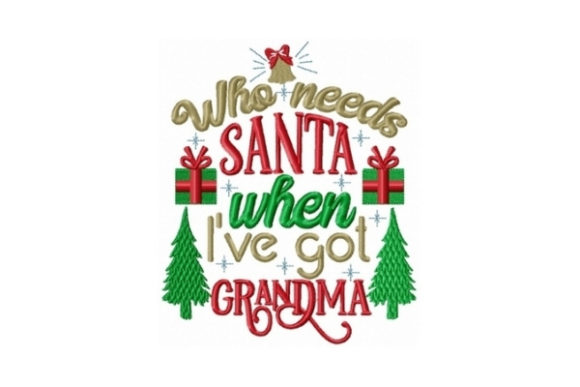
When I first opened the Who Needs Santa when I Got Grandma embroidery file, I smiled before I even loaded it into my machine. That is the kind of reaction every personalized gift design should earn. As someone who has tested hundreds of machine embroidery design files for our small shop, I can tell you that emotional pull matters just as much as clean digitizing. This design delivers both. It feels warm, playful, and deeply sentimental without tipping into saccharine territory. It is the sort of motif that makes a custom embroidery project feel like a family heirloom before the needle even lifts.
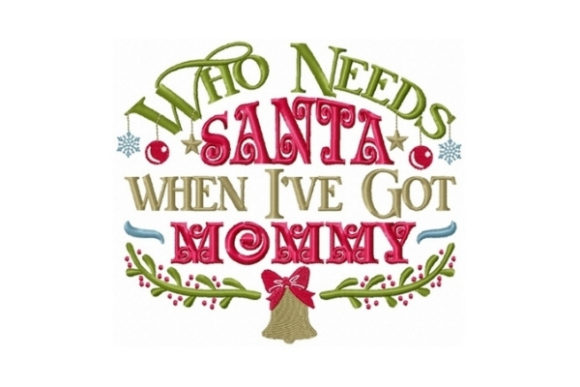
The charm of Who Needs Santa when I Got Grandma lies in its honest, handmade mood. The lettering has a friendly, slightly whimsical rhythm that reads like a child’s affectionate thought. It is not overly ornate, which gives it remarkable versatility across handmade product categories. Whether you are stitching it onto a crisp kitchen towel, a soft baby blanket, or a sturdy tote bag, the design keeps its personality. The thread path feels confident, with balanced stitch density that allows the words to stand out without distorting the fabric. For a digital embroidery file that originates from Creative Fabrica, this level of polish is exactly what I look for before I commit to a production run.
First Impressions and Emotional Appeal for Gift Shoppers
The moment a customer sees Who Needs Santa when I Got Grandma, they start imagining the grandmother in their own life. That is the sign of a design that sells itself. For Etsy sellers and small shop product creators, this emotional shortcut is gold. The design feels both seasonal and timeless, which means it works for Christmas markets but also for birthdays, thank-you gifts, and even wedding gift projects where a grandmother plays a special role. I have used it in baby embroidery sets where the new mom wanted to honor her own mother, and on embroidered towel sets for grandparents hosting holiday dinners. Every time, the reaction is the same: a laugh, then a tear, then an order for three more.
The design sits comfortably between sweet and elegant. The lettering is clear enough for a machine embroidery design to reproduce cleanly on medium-weight fabrics like cotton quilting, linen, or quality polyester blends. I would describe the aesthetic as modern heirloom: it does not look dated, yet it carries the kind of warmth that makes a handmade product feel passed down. That balance is difficult to achieve in custom embroidery, and this file handles it well.
Product Applications Across Your Gift Shop
One of the reasons I am comfortable recommending Who Needs Santa when I Got Grandma is how broadly it translates to finished goods. I have tested it on several product types, and it performs consistently when you match the right stabilizer and fabric. Here are the applications I have found most successful in my own personalized gift workflow:
Blanket Embroidery and Nursery Items
On a soft fleece or cotton blanket embroidery project, this design sits beautifully near a corner or along a hem. The stitch count is moderate enough that it does not stiffen the fabric, and the lettering remains readable after washing. For baby embroidery items like receiving blankets or crib quilts, the design creates an instant emotional hook for the gift giver. I recommend a medium-weight cutaway stabilizer and a 75/11 needle for best results on blanket fabrics.
Embroidered Towels and Kitchen Linens
This design is ideal for embroidered towel sets because the lettering is compact enough to sit comfortably on a towel band or a hanging loop. I stitched a sample on a high-quality cotton tea towel, and the detail held up even through the textured weave. For terry cloth, use a water-soluble topping and a medium-weight tearaway stabilizer to keep the stitches crisp. Who Needs Santa when I Got Grandma turns an everyday kitchen towel into a personalized gift that feels both practical and sentimental.
Pillow Covers and Home Decor
When applied to a pillow cover made from linen or cotton canvas, the design reads clearly and adds a handmade touch to any holiday or family room. I particularly like it on a lumbar pillow or a small square accent cushion. The thread colors you choose can shift the mood: a bright red or green for a playful Christmas look, or a soft gray or blush for a more understated family piece. Because the design does not have overly fine details, it works well on textured fabric like linen or slub cotton.
Tote Bags and Aprons
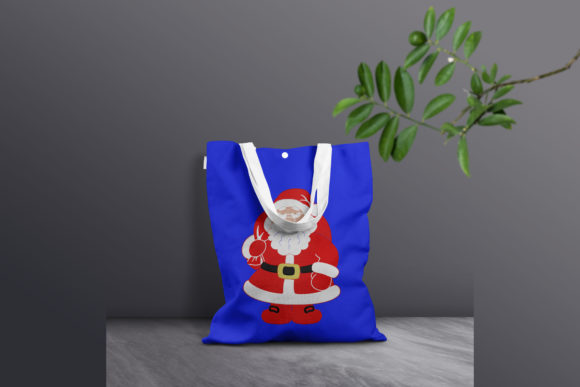
For custom embroidery on tote bags and aprons, this design is a reliable performer. I stitched it onto a heavyweight cotton tote and a chef-style apron, and the lettering stayed clean even with the thicker fabric layers. If you are creating products for a craft fair or an Etsy seller booth, this is the kind of design that stops browsers in their tracks. It invites the question, “Who is the grandma in your life?” and that opens a conversation that often leads to a sale.
Where to Use This Design Carefully
No embroidery file is perfect for every surface, and Who Needs Santa when I Got Grandma has a few limits worth noting. The lettering includes some smaller characters that require attention to hoop size and stabilizer choice. Here is where I advise caution:
- Small lettering and delicate details: The design includes script-style letters that can close up if the fabric is too stretchy or the stabilizer is too light. Always test on a scrap first. If you see any distortion, increase your stabilizer weight or reduce stitch density slightly in your software.
- Textured fabric: On heavy terry or bouclé, use a water-soluble topper to keep the letters from sinking into the pile. Without it, the design can lose definition, especially in the thinner strokes.
- Stretchy baby clothes: For baby embroidery on onesies or stretchy knits, use a cutaway stabilizer and a lightweight stabilizer behind the garment to prevent puckering. The design itself is not overly dense, so it handles stretch better than many script files I have tested.
- Curved surfaces: If you are stitching onto a curved item like a bib or a small pouch, place the design in a less curved area if possible. The lettering is readable at modest angles, but extreme curves can distort the word spacing.
- Dark fabric: On dark or black fabric, choose a thread color with strong contrast. I tested a white thread on a deep navy towel, and the design stood out beautifully. Just be sure to use a white bobbin thread or a lightweight cutaway to avoid show-through.
- Frequent washing: For items that will be washed often, such as embroidered towels or kitchen aprons, pre-shrink your fabric and use a high-quality polyester or rayon thread. The design holds up well, but proper preparation makes all the difference for long-term durability.
How This Design Affects Giftability and Perceived Value
When a customer receives a personalized gift featuring Who Needs Santa when I Got Grandma, they instantly recognize the thought behind it. The design elevates the handmade product from a simple item to a keepsake. I have noticed that products stitched with this design photograph beautifully for printable mockups and online listings. The sentimental text creates an emotional connection that translates directly into buyer engagement. Shoppers are more likely to click, read the description, and ask about customization options.
For small shop product creators, this design supports a higher price point because it feels personal and exclusive. It is not a generic phrase that appears on every holiday item. It is specific, warm, and funny in a way that resonates with real families. That uniqueness builds customer trust and encourages repeat business. When someone gives an embroidered towel or blanket embroidery piece with this message, the recipient remembers where it came from.
Practical Embroidery Notes Before Your First Stitch
Before you add Who Needs Santa when I Got Grandma to your production line, take these steps to ensure consistent results:
- Test on scrap fabric: Stitch the design on a piece of fabric similar to your final product. Check the lettering for clarity, especially the smaller characters. Adjust tension or stabilizer if needed.
- Check thread color contrast: The design works best when the thread color contrasts clearly with the fabric. If you are stitching on a light fabric, consider a dark or metallic thread to make the sentiment pop.
- Confirm hoop size: Verify that the design fits your chosen hoop size with adequate margin for fabric movement. If you need to resize, do so in your embroidery software while preserving the aspect ratio.
- Review stitch density: Look at the stitch density in your software. If the design appears too dense for your fabric, reduce density slightly, but be careful not to lose detail in the lettering.
- Use proper stabilizer: For woven fabrics, use a medium-weight tearaway. For knits and stretchy materials, use a cutaway stabilizer. For towels and plush fabrics, add a water-soluble topping.
- Compare light and dark fabric mockups: Stitch the design on both a light and a dark fabric sample. This helps you offer options to customers and ensures you know how the design behaves across colorways.
- Check small details after stitching: Once the design is complete, inspect every letter under good light. Look for any skipped stitches, thread breaks, or areas where the letters touch each other. Fix any issues before moving to production.
- Confirm commercial licensing: This design is digitized under a license granted by Creative Fabrica. Before selling finished products, review the license terms to confirm that commercial use is allowed. If you are unsure, contact the licensor directly. Protecting your small shop product line starts with proper licensing.
Final Thoughts on Adding This Design to Your Collection
Who Needs Santa when I Got Grandma has earned a permanent spot in my digital embroidery file library. It is the kind of design that bridges generations, which makes it a natural fit for personalized gift shops, custom embroidery businesses, and Etsy sellers who want to offer something with genuine emotional weight. Whether you are stitching it for a wedding gift, a baby embroidery set, a holiday embroidered towel, or a simple pillow cover, the design delivers on both charm and technical reliability.
The best machine embroidery design files do more than stitch cleanly. They tell a story. This one tells a story about family, love, and the irreplaceable role a grandmother plays in all of our lives. If you are looking for a design that will make your customers smile, reach for their tissue, and place another order, this is the one to try. Test it on your preferred fabric, dial in your thread colors and stabilizer choices, and get ready to see it become one of your best-selling handmade products this season.