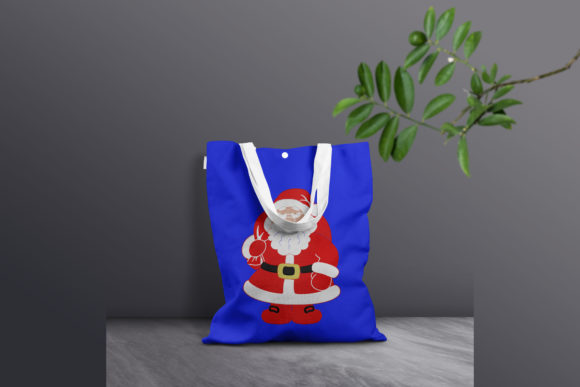
Christmas Santa: An Embroidery Designer's Real-Use Review
When I first opened the Christmas Santa embroidery file, I was looking for a design that could carry a holiday project without feeling too generic or overly complicated. As someone who regularly tests machine embroidery designs for small shop use and custom apparel, I need to know how a design behaves under the needle, how it reads on different fabrics, and whether it will actually sell or satisfy a client. This design immediately gave me the impression of a cheerful, approachable Santa that works well for a range of projects. It is not overly detailed, nor is it too simple; it sits in that useful middle ground where most commercial embroidery lives. The mood is warm and festive, and the silhouette is clear enough to read from a distance, which matters for anything going on a sweatshirt, tote bag, or holiday gift item.
First Impressions: What This Design Brings to the Hoop
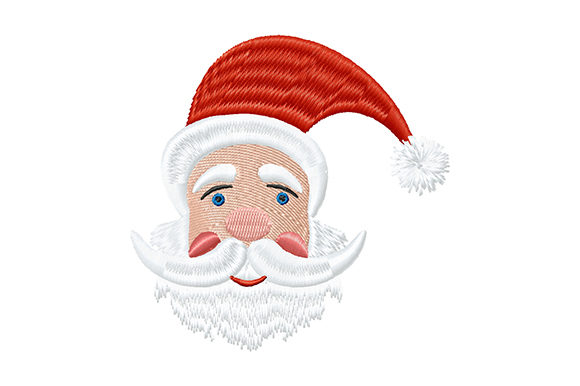
The visual personality of Christmas Santa feels classic without being boring. The face, beard, and hat are distinct, and the overall shape has a balanced, friendly presence. For a holiday embroidery design, that is exactly what I look for when planning products for an Etsy shop or a craft fair table. The design is digitized by hand, which usually means cleaner stitch paths and better fabric coverage compared to auto-digitized files. This matters most when you are stitching on items like pillow covers, aprons, or baby bibs, where the back of the fabric needs to stay neat and the front needs to look polished.
Because it is available in six sizes, I can adapt it to different hoop sizes and product types without resizing and risking distortion. That kind of flexibility is valuable for anyone running a small embroidery business, because it means one design can serve multiple listings. I immediately thought of using it on a canvas tote bag for a holiday market, a sweatshirt for a personalized Christmas gift, and even a small patch for a child's stocking. The design has enough presence to stand alone, and it does not rely on dense fill stitches to create its shape, which makes it easier to work with on medium-weight fabrics like cotton twill, linen, and polyester blends.
Real Project Performance: Where Christmas Santa Earns Its Place
I stitched out Christmas Santa on a prewashed cotton sweatshirt to see how it handled a slightly textured surface. The satin stitch elements sewed cleanly, and the fill stitches covered the fabric well without pulling or puckering. This is the kind of performance I need when I am producing custom apparel for clients who expect a professional finish. The design also did well on a test piece of quilted cotton for a pillow project. The stitch density felt appropriate, and the design did not stiffen the fabric excessively. For a pillow cover that will be handled and washed, that matters for long-term wear.
I also tested it on a lightweight linen tea towel, which is a popular product for holiday craft fairs. Christmas Santa held up nicely, though I did use a cutaway stabilizer to prevent any distortion on the loose weave. The design's clarity remained intact, and the hat and beard details were still readable after stitching. For anyone making handmade gifts or boutique products, this design offers a reliable result that customers will recognize and appreciate. It is the kind of embroidery that looks good on a hanger, in a listing photo, and on a finished product at a market booth.
Where this design really stands out is in its adaptability. I could see it working well on a personalized gift like a Christmas apron for a baker, a set of kitchen towels for a hostess gift, or even a baby bodysuit for a first Christmas photo. It does not rely on excessive detail, which means it will scale reasonably across the six available sizes without losing its character. That makes it a strong addition to any holiday embroidery collection, whether you are stitching for yourself or for customers.
Where I Would Use This Design Carefully
No design is perfect for every surface, and Christmas Santa has a few considerations worth noting. On very small hoop sizes, the finer details of the face and beard may become less distinct. If you are planning to stitch this on a baby hat or a cuff, I recommend checking the smallest size in the file to confirm the details remain clear. On stretchy fabrics like ribbed knits or performance blends, the satin stitch areas may need a temporary spray adhesive or a thicker stabilizer to prevent shifting. I always suggest a test stitch on the actual fabric before committing to a production run.
Dark fabrics can also change how this design reads. If the hat and beard are stitched in traditional red and white, the contrast is generally good, but if you are using darker thread colors or stitching on black or navy, consider how the fill stitches will stand out. A quick mockup in embroidery software or a test on a dark scrap can save you from stitching a full project that looks flat. Curved surfaces like caps or small rounded patches also require attention. The design's shape is fairly compact, but on a cap front, you will want to confirm the hat angle sits naturally and does not get distorted by the curve.
For products that will be washed frequently, such as kitchen towels, baby blankets, or reusable tote bags, I recommend using a quality stabilizer and testing a wash cycle on a sample. The satin stitch elements are durable, but the overall longevity depends on thread choice, fabric type, and how the design is hooped. These are standard considerations for any machine embroidery design, but they are worth repeating for anyone new to commercial embroidery or handmade production.
The Impact on Product Quality and Buyer Confidence
The way a design stitches out directly affects how customers perceive the value of your finished product. Christmas Santa delivered a clean, professional look that would enhance a handmade product listing or a craft fair display. Buyers respond to clarity and finish. When a design has crisp edges, even fill stitches, and no loose threads or gaps, it signals quality. That builds trust, especially for small shop owners who rely on repeat customers and word-of-mouth referrals.
For Etsy sellers and boutique makers, this design offers strong visual appeal for holiday-themed products. It is recognizable without being cliché, and it carries a nostalgic warmth that resonates with gift shoppers. Whether you are making personalized gifts or small batch merchandise, the design's readability and stitching quality will support your brand's reputation. I also appreciate that the hand-digitized structure tends to reduce thread breaks and birdnesting, which is a practical advantage when you are stitching multiple units for a seasonal rush.
This design also works well in product photography. The clear shape and balanced composition make it easy to photograph on a flat lay, a model, or a wall display. That matters for listing images, social media posts, and printable mockups. If you are selling digital embroidery files yourself, a clean stitch-out photo of Christmas Santa on a simple tote or tee will help buyers visualize the result. Good presentation of the actual stitched design can increase buyer confidence and conversion.
Embroidery Notes Worth Considering Before You Stitch
Before you load this design and start stitching, there are a few practical steps I recommend. First, always test on scrap fabric that matches your final project material. This confirms thread color contrast, stitch density, and hoop fit. The design is available in six sizes, so verify which size fits your hoop and your product without crowding the edges. I also suggest checking the design in black and white or grayscale view in your software to see how the density reads without color distraction. That helps spot any areas that might be too heavy or too light.
Thread color choice matters with any Santa design. Traditional red, white, and a skin tone for the face will give you the classic look. But if you are creating a modern or monochrome piece, test how the design holds up with a single color or metallic thread. The stitch paths are clean enough to support some experimentation, but do your testing first. Also, consider the stabilizer. For most woven and knit fabrics, a medium-weight cutaway stabilizer will give you the best result. For thicker fabrics like sweatshirt fleece or towel terry, a heavier stabilizer or a topper may help keep the nap from pushing through the stitches.
Licensing is another point I always check before using any digital embroidery file for commercial projects. The product description states that Christmas Santa is a high quality embroidery design available as digital files, but it does not specify the license terms. If you plan to sell finished products or the digital file itself, confirm the usage rights directly with the seller. This protects your business and ensures you are using the design properly. The same applies if you are selling digital products or including the design in a bundle of design assets.
Finally, take the time to inspect the small details in the design before stitching. Look at the face area, the beard, and the hat trim. If any elements are too small for your intended hoop size or fabric type, consider using a larger size or adjusting the project. Hand-digitized designs generally have better stitch flow, but they are not immune to issues with extreme scaling or dense areas. A careful review before stitching will save you frustration and materials.
Final Thoughts on Christmas Santa for Your Shop or Studio
Christmas Santa is a solid, dependable embroidery design that fits well into holiday project planning. It delivers a friendly, classic look that works across a wide range of products from custom apparel to handmade gifts. The hand-digitized structure gives it a clean stitch-out, and the availability of six sizes offers flexibility for small and large hoops alike. For small business owners, Etsy sellers, and crafters who need a reliable Santa design for the season, this file is a practical choice that will save you time and produce satisfying results.
If you are looking for a design that balances charm with commercial usability, this one deserves a test stitch. Just remember to check your stabilizer, thread contrast, and licensing before you commit to a production run. With a little preparation, Christmas Santa can become a versatile asset in your embroidery library and a favorite for your holiday product line.