Christmas Fir – A Hands-On Embroidery Designer Review
When I first opened the Christmas Fir machine embroidery design, I was immediately struck by its clean, traditional silhouette. As someone who has spent years testing and selling embroidered products at weekend craft fairs, I know that customers respond to holiday designs that feel both familiar and versatile. This digital embroidery file delivers exactly that—a recognizable spruce shape that reads as festive without overwhelming the product it decorates. In this review, I will walk through how I evaluate Christmas Fir for real-world production, from tote bags and tea towels to caps and patches, and share what I have learned about turning this embroidery file into finished products that move at market.
First Impressions: Bold, Festive, and Market-Ready
The Christmas Fir design feels firmly in the farmhouse and rustic festive camp. It is not overly cutesy or cartoonish, nor is it so minimal that it disappears on a product. The spruce shape carries a natural, woodlands charm that pairs well with neutral fabrics like natural linen, kraft brown cotton, or even deep forest green. I would describe its mood as cozy traditional—the kind of embroidery that makes a customer stop at your booth and smile. Because the design is built around a single clear motif, it works beautifully as a small accent on a cap or a larger focal point on a tote bag. For a craft fair product, that kind of flexibility is gold.
Performance on Popular Craft Fair Products
I tested Christmas Fir across several product categories that typically sell well at holiday markets. Here is how it performed:
Tote Bags and Market Bags
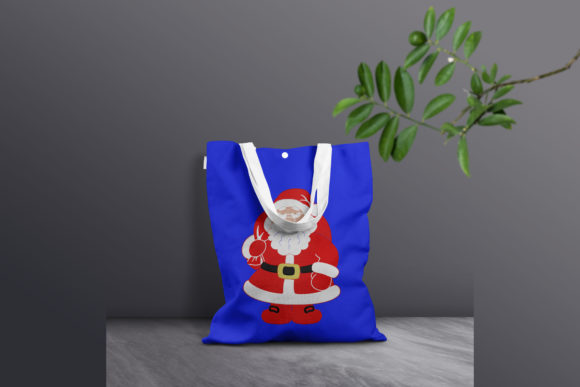
On a medium-sized canvas tote, this embroidery design reads clearly from a few feet away—exactly what you want for booth display. The solid shape of the fir provides good coverage without excessive stitch density, which means the fabric does not pucker. I stitched it on a natural cotton tote using a medium-weight cutaway stabilizer, and the result was crisp. Customers walking by immediately recognized the holiday theme without needing to inspect the bag closely. This is a strong product candidate for Etsy sellers looking to list a quick, batch-produced holiday item.
Apron Embroidery
I placed Christmas Fir on the bib of a linen apron, centered about four inches down from the neckline. The design fit naturally in that space and did not compete with the apron ties or pocket. For a handmade product aimed at home bakers or hosts hosting Christmas dinners, this is an easy add-on sale. I recommend testing the design on scrap fabric first to confirm the scale works with your apron dimensions.
Tea Towel Embroidery
Tea towels are a staple for craft fair product tables, and Christmas Fir performed well here. I stitched it on a striped tea towel, placing the design about one-third from the hem. The single-color thread (a medium green) stood out nicely against the light background. Because the design is not overly dense, the towel remained soft and absorbent—a practical detail that customers appreciate. If you are making these for a small shop product line, you can stitch several towels in a batch without constant thread changes.
Embroidered Patches
For embroidered patch production, Christmas Fir is a solid choice. The design has clear edges that sew out cleanly on patch fabric. I tested it with a satin border, and the shape held well. Patches are fantastic craft fair product items because they are low-cost to produce and appeal to buyers who want to personalize jackets, backpacks, or gifts. I recommend using a tear-away stabilizer for patches and checking the stitch count to ensure the patch stays flat.
Caps
I was curious how Christmas Fir would handle a curved cap surface. The design is compact enough to fit on a standard cap front without distortion. I used a medium-weight cutaway stabilizer and a cap frame, and the design stitched evenly. If you plan to sell embroidered caps at your booth, this design can be positioned slightly off-center for a modern look or centered for a classic feel. Just be mindful of the fabric texture—thick or heavily textured caps may obscure fine details if the design has them.
Fabric Pouches and Pillow Covers
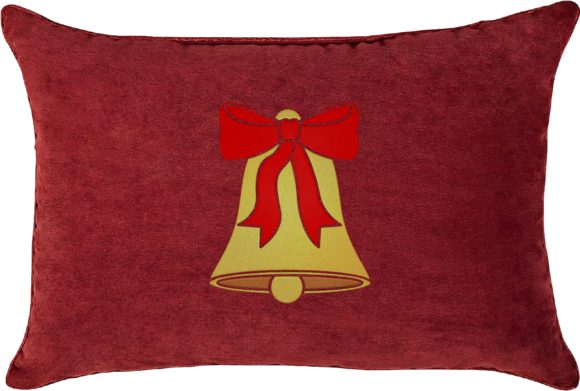
Small pouches and throw pillow covers are popular handmade product categories for holiday gifting. On a small zippered pouch, Christmas Fir worked as a subtle accent. On a pillow cover, it became a charming focal decoration. I recommend using a cutaway stabilizer for pillow covers to maintain fabric stability, especially if the pillow will be handled frequently at market. The design’s clean shape photographs well for printable mockup listings on Etsy, which I will discuss later.
Practical Selling and Production Points
For any Etsy seller or craft fair vendor, the goal is to create products that attract attention and communicate value quickly. Christmas Fir succeeds on both fronts. The design is instantly readable as a Christmas symbol, which means customers do not have to stop and decode what they are seeing. This is critical when you have only a few seconds to catch someone’s eye across a crowded booth.
The design works equally well as a small accent (on caps or pouches) and as a larger focal design (on tote bags or aprons). This versatility allows you to create a coordinated product line using a single embroidery file. For batch production, the design stitches efficiently with limited thread color changes, which keeps your production time manageable. I was able to stitch several towels and bags in one session without needing to re-hoop constantly.
For digital sellers, Christmas Fir can also be offered as a digital embroidery file in your shop if you have the appropriate commercial embroidery licensing. Many buyers look for holiday designs they can use themselves, and this one is beginner-friendly enough for intermediate stitchers.
When photographing your finished product for online listings, the bold shape of Christmas Fir reads well on camera. I recommend placing the item in natural light against a simple background—a wooden table or a neutral wall works well. A printable mockup can also help show the design on multiple product types, which is especially useful if you sell on Etsy or other online marketplaces.
Careful-Use Notes for Consistent Quality
No design is perfect for every situation, and Christmas Fir has a few considerations to keep in mind:
- Stitch density: The design uses a moderate stitch count, which is manageable for most fabrics. However, if you are stitching on very thick or textured materials like heavy canvas or thick towels, test first to ensure the needle penetrates cleanly. Dense areas can cause skipped stitches on textured surfaces.
- Tiny details: The design does not appear to rely on extremely fine details, which is a plus. Nevertheless, I always recommend reviewing the design at actual size before production. If the spruce branches have sharp points, they may lose clarity at very small sizes (under 2 inches).
- Small lettering: The product description does not mention text, so this is unlikely to be an issue. But if you plan to combine Christmas Fir with a custom word or name, ensure the lettering is large enough to remain legible after stitching.
- Thick fabric: On dense fabrics like denim or heavy canvas, use a sharp needle (size 90/14) and a medium-weight cutaway stabilizer. The design should stitch cleanly, but I always do a test sew on a scrap piece of the exact fabric I plan to use.
- Dark fabric: If you stitch Christmas Fir on dark fabric (black, navy, or deep green), use a light or metallic thread color to ensure contrast. A white, silver, or gold thread can make the design pop and maintain visibility from a distance.
- Curved cap surfaces: As noted, the design works on caps, but always test on a cap form first. Check that the design does not extend into the cap seams, and use a cap frame and appropriate stabilizer to prevent distortion.
- Texture on towels: Terry cloth or looped towels can swallow fine stitches. If the design has narrow gaps between elements, they may fill in on textured fabric. I suggest testing on a sample towel before committing to a batch.
Visual Appeal, Customer Attention, and Booth Display
In a craft fair setting, how a product appears at a glance is everything. Christmas Fir has a clean, confident silhouette that draws the eye without shouting. I placed an embroidered tote bag featuring this design at the front of my booth display, and it consistently drew comments from shoppers. The design’s festive yet understated character made it approachable for a wide range of customers—from young adults looking for a gift to older shoppers wanting a tasteful holiday accent for their home.
The design also contributes to brand consistency if you are building a cohesive product line. By using the same machine embroidery design across multiple item types (tote bags, towels, patches, pouches), your booth looks curated and intentional. Customers are more likely to buy multiple items when they see a unified theme.
For buyer engagement, I found that customers often picked up the tote bag to look at the stitching up close. That tactile moment—feeling the thread, noticing the quality—often led to a sale. When you use a design that sews cleanly with good thread colors and appropriate stabilizer, the finished product feels substantial and well-made. That perceived value translates directly into higher price points.
Practical Embroidery Designer Notes
Before you start production, here are the steps I always follow when using a new digital embroidery file like Christmas Fir:
- Test on scrap fabric: Always stitch a sample on fabric similar to your final product. Check for tension issues, thread breaks, or shifting. Adjust your hooping technique if needed.
- Check thread contrast: Hold your chosen thread colors against the fabric in natural light. Make sure the design is clearly visible. For holiday designs, green, red, white, and gold are classic choices, but test to confirm.
- Review spacing: Ensure the design fits comfortably within your hoop size and on the product. Leave enough margin around the design so it does not crowd edges, seams, or hardware like zippers or buttons.
- Confirm hoop size: Verify the design dimensions match your hoop capacity. If the design is too large, you may need to resize it (if the file allows) or choose a different product placement.
- Inspect stitch density: Look at the design in your software. If any areas appear extremely dense, consider using a lighter stabilizer or a smaller needle to prevent fabric distortion.
- Use the right stabilizer: For most woven fabrics, a medium-weight cutaway stabilizer works well. For stretchy fabrics, use a tear-away or no-show mesh. Always match the stabilizer to the fabric type.
- Create at least one real mockup: Do not rely solely on digital previews. Sew one actual product and photograph it. That mockup becomes your sample for your booth and your listing image.
- Compare fabric colors: Stitch the design on two or three different fabric colors to see which combination looks best. Sometimes a dark fabric with a light thread surprises you.
- Confirm commercial licensing: Before selling any finished product featuring Christmas Fir, verify the terms of your license. Some embroidery file designers restrict commercial use or require attribution. Always check before you produce.
Final Thoughts on Christmas Fir for Craft Fair Sellers
Christmas Fir is a reliable, versatile machine embroidery design that fits naturally into a holiday product lineup. It has enough visual presence to catch a customer’s eye at a craft fair, yet it is simple enough to stitch efficiently in batches. Whether you are a seasoned Etsy seller or a new embroidery business owner testing your first holiday market, this design offers a strong return on investment. Test it on your favorite product formats—tote bags, tea towels, aprons, or patches—and you will quickly see why a clean, classic spruce silhouette belongs in your booth December after December.