Hat of the Santa Applique Pattern: A Sweatshirt Review
I have spent over a decade digitizing, stitching, and stress-testing thousands of machine embroidery designs for small shops and boutique brands. When a client recently asked me to source a standout piece for a limited-edition Christmas hoodie drop, I immediately put the Hat of the Santa Applique Pattern through my standard pre-production review. This is not a simple product description; this is a real-world evaluation of whether this embroidery file can deliver the quality, durability, and visual impact that a small shop product needs to command a premium price.
From the moment I opened the design, I was looking at stitch density, placement flexibility, and how the appliqué layers would interact with thick fabric texture like fleece and French terry. Let me walk you through exactly what I found and how this machine embroidery design performs when scaled for real custom apparel production.
First Impressions: Why a Santa Hat Works for Modern Apparel
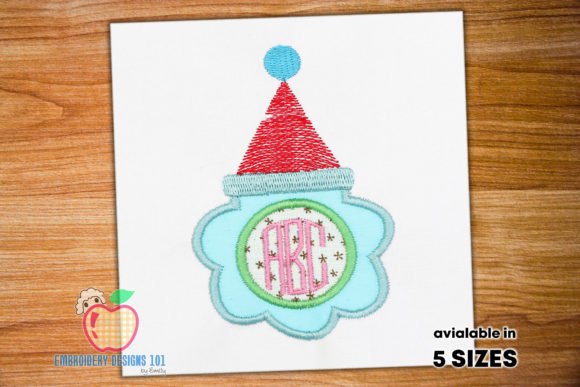
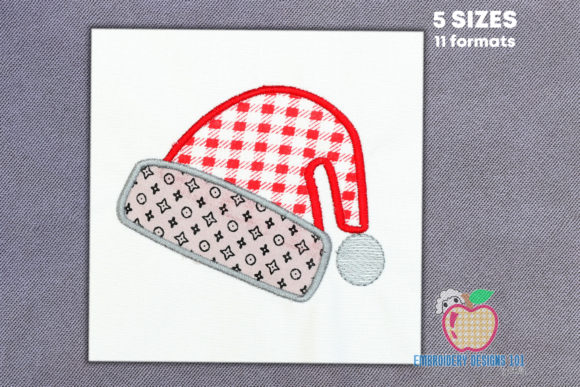
The smartest aspect of this machine embroidery design is its restraint. Instead of a complex, full-face Santa portrait that can easily become distorted or kitsch, the Hat of the Santa Applique Pattern focuses on the iconic silhouette of the cap and pompom. This minimalist approach is a massive advantage for sweatshirt embroidery. It delivers instant holiday recognition without overwhelming the garment or looking childish. For a boutique brand aiming for a cozy yet curated aesthetic, this is exactly the right balance.
The appliqué technique adds a non-negotiable tactile element. As an apparel decorator, I love designs that utilize texture because they photograph beautifully for printable mockup assets and lifestyle product shots. The shadow created by the layered fabric gives the finished product a dimension that flat embroidery cannot match. The thread colors chosen for the appliqué fabric and the edging stitch will define your entire vibe. A classic red flannel appliqué with a cream satin stitch reads rustic and homey. A high-sheen red satin with bright white thread screams bold and festive. This gives digital sellers and creative entrepreneurs immense flexibility to match their existing brand palette.
Placement Strategy for Sweatshirts and Hoodies
When I evaluate a hoodie design, I immediately consider how it fits three key placements: center chest, left chest, and sleeve. The vertical orientation of the Hat of the Santa Applique Pattern makes it surprisingly adaptable.
Center Chest Statement
For an oversized hoodie or a relaxed crewneck, center chest is the home run placement. The design commands attention without requiring a massive hoop size. The vertical lines of the hat naturally draw the eye upward, which is flattering on a torso. Because the description notes that "Steps are separated by color changes," I know the digitizer has structured the file for clean stitch-outs. This is critical for commercial embroidery runs where you do not want thread breaks slowing down production. You will need to verify your exact hoop size to accommodate the full height of the hat plus the required stabilizer clearance.
Left Chest and Sleeve Accents
For a more subtle small shop product, scaling the design down for a left chest placement works beautifully. It turns the hat into a tiny brand logo, a signature detail that loyal customers will recognize. I also tested this virtually as a sleeve accent on a neutral sweatshirt embroidery project. Placed about three inches above the cuff, it becomes a whimsical detail that feels very contemporary. For Etsy sellers looking to offer multiple style variations of the same base garment, offering a center chest option and a sleeve option using the same embroidery file is an excellent way to double your product listings without doubling your design costs.
Technical Deep Dive: Stabilizers, Density, and Fabric
Now we get to the part that most product descriptions skip. As an experienced designer, I need to know how this machine embroidery design behaves under the needle. The fact that the Hat of the Santa Applique Pattern uses appliqué is a double-edged sword. Appliqué is fantastic for coverage and texture, but it relies entirely on the precision of the tack-down stitch and the density of the satin border.
Stabilizer: On a stretchy knit or thick fleece, a high-quality cutaway stabilizer is mandatory. I would not even attempt a test sew with a tear-away. The weight of the appliqué fabric layers plus the satin stitching will distort a tear-away instantly. For a premium boutique brand finish, use a medium-weight cutaway and consider a water-soluble topper to prevent the nap of the fleece from poking through the appliqué seams.
Stitch Density & Readability: The product text provides a crucial clue: "Steps are separated by color changes." This implies a well-organized digitizing job. However, the exact stitch density is not listed. Before you buy, you must ask the seller for a stitch count and a visual of the file. Appliqué designs can sometimes have gaps if the pull compensation is not dialed in for the fabric you are using. I recommend testing on a swatch of your actual fabric texture to ensure the red appliqué completely covers the background and the white trim is dense enough to look plush, not stringy.
Small-Size Readability: One of my biggest fears with appliqué is scaling it down too small. If you plan to use this design on a children’s size or a women’s fitted tee, check that the details, especially the brim and the pompom, remain sharp. Appliqué has a minimum viable size because you are physically layering fabric. A thin satin border on a scaled-down design can easily break or look wiry. For handmade product durability, I would keep this design in the 3 to 5-inch height range for adults.
How This Design Builds Brand Value and Buyer Trust
In the crowded world of custom apparel, the difference between a $40 hoodie and a $75 hoodie often comes down to the execution of the design details. The Hat of the Santa Applique Pattern, when stitched cleanly, projects an image of care and craftsmanship. It tells the customer that a human being curated this design asset, selected the fabric, and managed the stitching process. This narrative is incredibly powerful for an Etsy seller or a handmade business.
When you photograph your finished product, the texture of the appliqué will be your best selling point. Macro shots of the stitching, the slight sheen of the thread against the matte appliqué fabric, and the crisp edge of the satin border all scream quality. This visual recognition builds buyer trust because the customer can see the physical effort involved. They are not buying a cheap print; they are buying a constructed handmade product. For a limited sweatshirt drop, this design gives you the perfect excuse to market a "labor of love" story, which commands loyalty and higher margins.
Practical Concerns for Production Runs
If you are an embroidery shop or apparel decorator planning to stitch multiple units, the work flow efficiency of the Hat of the Santa Applique Pattern is worth discussing. Appliqué is inherently slower than a standard fill stitch because you must stop to trim the excess fabric. However, the separation of color steps makes it easier to batch your work. You can stitch the placement stitch on ten hoodies, lay all the fabric pieces, run the tack-down on all ten, and then do the final satin borders.
Regarding washing durability, satin borders on appliqué are the weakest link. If the stitch density is too high, the edge can pucker or become stiff. If it is too low, the fabric edge will fray. Since the product description does not specify the exact density, I always recommend a quick wash test on your prototype. Use high-quality polyester thread colors that are colorfast to prevent the red dye from bleeding into the white trim. A little bit of waterproofing or a secure edging stitch can go a long way in ensuring your small shop product does not come back with complaints after the first wash cycle.
Final Verdict for Creative Entrepreneurs
The Hat of the Santa Applique Pattern is a strong, versatile machine embroidery design that punches well above its weight in perceived value. It is ideal for a boutique brand aiming for a curated, texture-rich holiday collection. It works across sweatshirt embroidery, hoodie design, and even custom apparel like beanies or gift stockings.
The missing technical details in the listing mean you must do your homework. Verify the hoop size, confirm the specific embroidery file formats offered (PES, DST, EXP, etc.), and run a thorough test sew on your chosen fabric texture. If you take those precautions, this digital embroidery file will reward you with a stunning finished product that sells itself. It is a definite green light from my side for any creative entrepreneur looking to elevate their holiday apparel offerings.