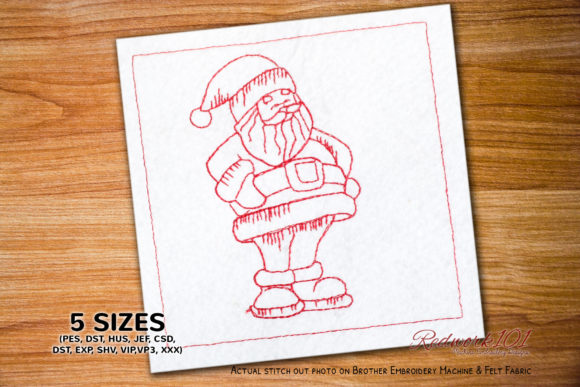
Happy Santaclaus Machine Design Review
First Impression of the Happy Santaclaus Machine Design
When I first opened the Happy Santaclaus Machine embroidery file, I immediately recognized the kind of design that works well for boutique apparel. The artwork carries a playful yet structured personality that feels appropriate for Christmas-themed sweatshirt embroidery without tipping into overly卡通 territory. The layout gives enough visual weight to stand alone on a hoodie chest or as part of a layered sleeve accent. For anyone running a small shop product line, this is the kind of machine embroidery design that can anchor an entire seasonal drop. The overall mood lands somewhere between decorative and bold, with enough detail to feel intentional but not so much that it becomes fussy on fabric textures like fleece or cotton-blend sweatshirts.
The name Happy Santaclaus Machine suggests a cheerful Santa motif, and the embroidery design delivers on that promise. The optional Box Stitch mentioned in the description adds an interesting structural element that can either frame the design or be skipped entirely depending on your aesthetic goals. As someone who has stitched hundreds of commercial embroidery projects, I appreciate when a design offers that level of flexibility. It means the same embroidery file can serve different brand voices, from minimal to festive, without requiring a separate digitizing process.
Understanding the Box Stitch and Outer Color
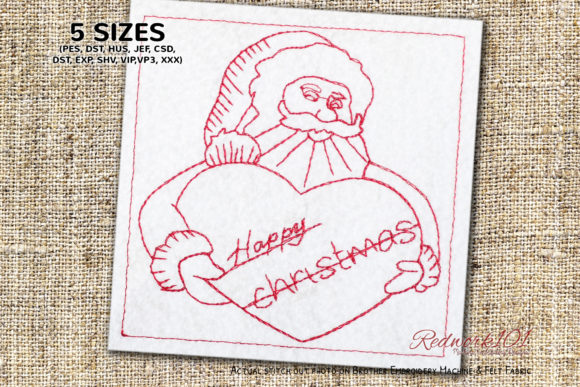
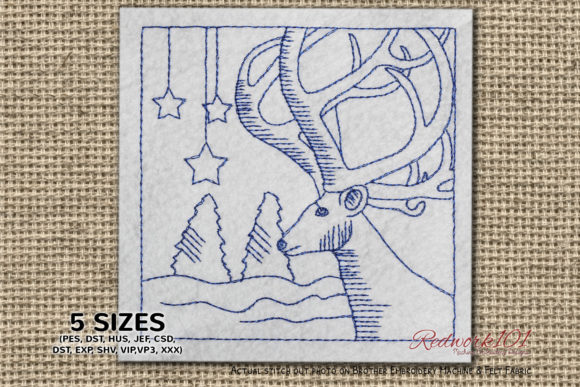
The product description notes that the Box Stitch shown in the picture is optional. It also points out that the color of the outer box is different in most designs unless it is part of the design itself, and you can skip that color directly. For custom apparel decorators, this is a meaningful detail. It means you have control over whether the design reads as a contained motif or a free-standing element. If you are stitching on neutral sweatshirts in cream, heather grey, or oatmeal, skipping the outer box color can give Happy Santaclaus Machine a more open, airy feel. On dark fabric, keeping the box stitch can create a strong boundary that helps the design pop against the background.
For Etsy sellers and boutique brands, this flexibility translates directly into product variation. You can offer the same hoodie design in two versions: one with the full box treatment and one without, simply by adjusting thread colors in your embroidery file. That is efficient production planning and a smart way to extend your design assets without additional digitizing costs.
Sweatshirt and Hoodie Placement Options
The Happy Santaclaus Machine design works beautifully for sweatshirt embroidery in several placement zones. On a classic crewneck sweatshirt, chest-level placement around four inches wide creates a focal point that feels balanced without overwhelming the garment. For oversized hoodies, a slightly larger version of the design centered on the chest reads as contemporary and fashion-forward. I have found that designs with a balanced layout like this one also translate well to sleeve accents, especially on women's boutique cuts where the sleeve width is narrower but still provides enough room for the motif to breathe.
Back designs are another possibility, particularly if you scale the embroidery file modestly and pair it with a smaller chest logo. This creates a coordinated look that many small shop owners use to justify a higher price point. Whether you are stitching for a holiday gift collection or a seasonal limited drop, the Happy Santaclaus Machine design gives you room to experiment with placement without compromising readability. For lifestyle product photography, the design photographs well on both solid and heathered fabrics, which is a genuine advantage for Etsy listings and social media mockups.
Thread Color Contrast and Fabric Texture
One of the first things I evaluate in any machine embroidery design is how thread colors interact with the fabric base. The Happy Santaclaus Machine design benefits from strong contrast, especially if you are working with dark fabric like black, navy, or forest green sweatshirts. I recommend choosing thread colors that separate clearly from the garment background to maintain readability at a distance. On pastel fabric, such as blush pink or powder blue, the design can take on a softer, more whimsical character that feels feminine and cozy. For neutral bases like heather grey or cream, the design can go either way depending on your thread palette.
Since the outer box color is variable and can be skipped, you have additional control over contrast. If you are stitching on a busy fabric texture like a thick fleece or a marl knit, simplifying the palette by removing the outer box can reduce visual noise. For commercial embroidery projects where consistency across different garment colors is important, I suggest stitching a test sample on each fabric type before committing to production. This is standard practice for any boutique brand aiming to maintain quality across a full product line.
Stitch Density and Fabric Compatibility
Stitch density is a critical factor when choosing an embroidery file for sweatshirt embroidery. Designs that are too dense can cause puckering on lightweight knits or feel stiff on heavier fleece. The Happy Santaclaus Machine design appears to have a balanced density that works well on mid-weight sweatshirt fabrics. The optional Box Stitch, if used, adds some additional coverage, so I recommend testing it on your specific fabric thickness to ensure the garment maintains its natural drape. For thicker hoodie fabrics, you may want to use a medium-weight cutaway stabilizer to support the stitching without adding bulk. For lighter sweatshirts, a tear-away stabilizer with a soft finish can keep the back feeling comfortable against the skin.
Hoop size is another practical consideration. You will need to confirm the dimensions of the embroidery file before selecting your hoop. Most chest placements fit comfortably within a 5x7 inch hoop, but if you plan to use the design for sleeve or back placements, check that the hoop size accommodates your garment's construction. I always advise Etsy sellers and small shop owners to run a quick test stitch on a scrap piece of the same fabric before starting a production run. This catches any tension or density issues early and saves time and materials.
Washing Durability and Long-Term Wear
For handmade product and custom apparel, washing durability is a top concern. A design that lifts, frays, or distorts after a few washes damages buyer trust and brand reputation. The Happy Santaclaus Machine design, with its reasonable stitch count and clear motif outlines, should hold up well under normal care if properly stabilized. I recommend using a high-quality thread and a stabilizer that matches your fabric weight. For garments that will be washed frequently, like hoodies and sweatshirts, a cutaway stabilizer provides the most reliable long-term stability. Tear-away stabilizers can work for lower-wear items, but for a boutique brand aiming for premium positioning, cutaway is the safer choice.
The optional Box Stitch, if included, does create a perimeter of stitching that can help anchor the design on stretchy fabrics. However, if the box color is skipped, the interior design still holds together well on its own. I suggest communicating care instructions clearly to your customers, especially if you are selling through Etsy or other online platforms. A simple tag recommending gentle wash and low heat drying goes a long way in preserving the finished product.
Brand Identity and Customer Perception
Happy Santaclaus Machine brings a cheerful yet structured aesthetic that fits well within the Christmas embroidery category. For a boutique brand, this design can become a signature piece in a holiday collection. The optional box element allows you to tailor the look to your brand identity, whether that leans rustic and minimal or bold and festive. I have seen similar designs perform strongly in Etsy listings because they offer a clear visual hook that customers recognize as holiday-specific but not overly generic.
When customers purchase a sweatshirt with this embroidery, they are buying more than a garment. They are buying the handmade product value, the visual recognition of a thoughtfully placed design, and the seasonal mood that goes with it. For digital sellers offering embroidery files, the Happy Santaclaus Machine design is a versatile asset that can be marketed with printable mockups showing multiple placement options and colorways. The more you can demonstrate the design's flexibility through product photography and styling shots, the more engagement you are likely to see from your audience.
Practical Checks Before Production
Before running a full production batch, there are a few details I recommend confirming. The product description indicates some information about the Box Stitch and outer color, but specifics about stitch count, file format, hoop size, and license terms should be verified with your source. These factors affect everything from production cost to how you list the design in your shop. If any of these details are not clearly stated, contact the seller or check the product documentation before you begin stitching.
For custom apparel decorators working with small boutique brands, having a complete understanding of the embroidery file ensures that your finished product matches customer expectations. The Happy Santaclaus Machine design has strong potential for sweatshirt embroidery projects, from cozy seasonal apparel to limited-edition hoodie drops. With thoughtful thread choices, proper stabilization, and clear placement planning, this design can elevate your product line and build customer trust through consistent quality.