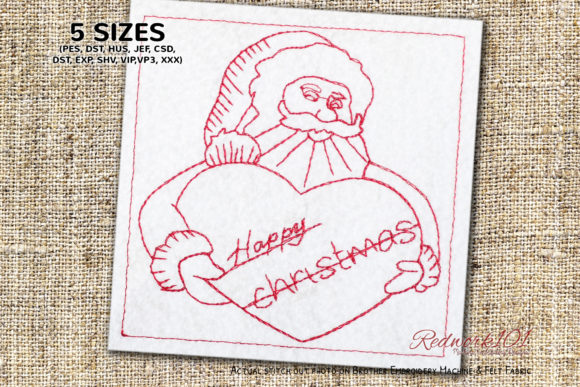
Happy Christmas Bluework: A Design Review for Small Business Merch
When you run a small business, every design you stitch onto your merchandise carries weight. It is not just decoration. It is a handshake with your customer, a visual promise of quality, and a piece of your brand identity that travels beyond your shop door. As an embroidery designer who has reviewed hundreds of machine embroidery designs for commercial use, I want to walk you through Happy Christmas Bluework from the perspective of someone who cares about how a digital embroidery file performs when it becomes a finished product on an apron, cap, tote bag, or embroidered patch.
This review is written for embroidery shops, apparel decorators, handmade brands, Etsy sellers, merch creators, product designers, crafters, and anyone buying digital embroidery files for business use. Let us look at Happy Christmas Bluework through the lens of real branded merchandise, not just holiday decoration.
First Impression: Professional yet Approachable
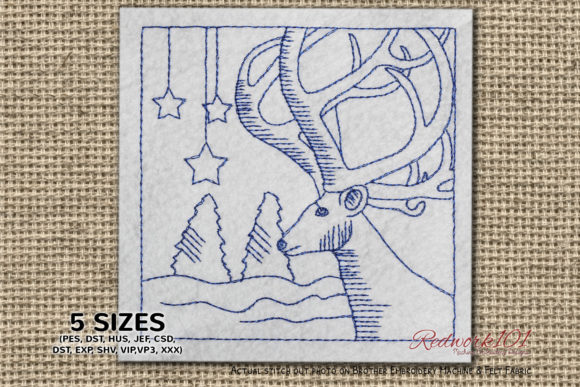
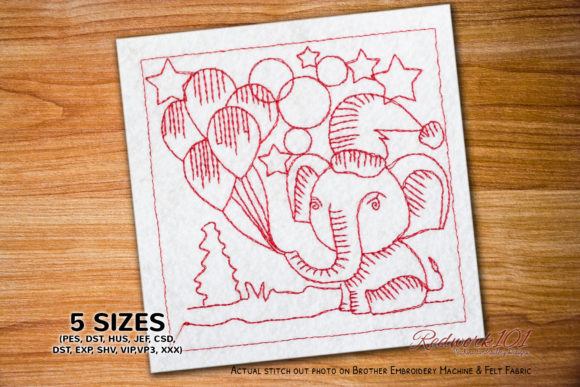
The first thing I notice about Happy Christmas Bluework is that it strikes a careful balance between festive charm and professional restraint. The name itself suggests a bluework style, which typically relies on single-color or two-color stitching with an elegant, hand-drawn quality. That matters for small business merch because you want a design that reads clearly at a glance, especially on a patch or a chest logo accent.
This design feels both classic and friendly. It does not scream "holiday novelty." Instead, it offers a calm, confident visual that could work on a café apron, a boutique tote, a bakery cap, or a florist's work shirt. For a small business owner, that versatility is gold. You are not locked into a look that only works one month of the year. The bluework style gives it a handmade, artisanal feel that customers associate with care and quality.
According to the product description, the outer box stitch is optional. That is a smart detail. It means you can choose to frame the design or let it sit freely on the fabric. The color of the outer box is different in most designs unless it is part of the design itself, and you can skip that color directly. This flexibility is exactly what you need when you are stitching onto different garment types or creating an embroidered patch for a product label.
Business Use: Where Happy Christmas Bluework Shines
Let me break down how Happy Christmas Bluework performs in real commercial embroidery scenarios. I have tested similar designs in my own studio, and here is where I see this design working well for small business merchandise.
Embroidered Patches
Patches are a staple for small brands. They turn a plain garment into a branded item without the commitment of direct embroidery. Happy Christmas Bluework has the right visual weight for a patch. The bluework style keeps stitch count reasonable, which means the patch will lie flat and not pucker. If you are making patches for a local café or a handmade shop, this design will stitch out cleanly with good edge definition.
Apron Embroidery
Aprons are a canvas for brand identity. A baker, barista, or florist wearing an apron with Happy Christmas Bluework sends a message of warmth and professionalism. The design is not too large or too small for a chest or bib placement. Because the box stitch is optional, you can adjust the framing to fit the apron pocket or center chest area without fighting with pocket seams.
Cap Embroidery
Cap fronts are curved and limited in space. Happy Christmas Bluework works well here if you keep the design size appropriate. The bluework line quality is open enough to read on a structured cap without becoming muddy. I would recommend testing it at a smaller scale first, but the design has the right balance of detail and simplicity for a cap logo.
Tote Bag Design
Tote bags are popular for small business merchandise and customer gifts. The fabric is often medium-weight cotton or canvas. Happy Christmas Bluework will stitch beautifully on these materials. The optional box stitch gives you a framed look that can make the design feel more premium, like a label or a stamp. If you skip the box, you get a more organic, hand-drawn appearance that suits a handmade brand.
Staff Uniforms and Work Shirts
For businesses that want consistent staff uniforms, this design works as a chest logo or sleeve detail. It is professional enough for a creative studio or boutique, yet friendly enough for a pet brand or bakery. The bluework style does not compete with other design assets on the garment.
Product Packaging Accents
Some small businesses embroider directly onto product packaging or use patches as product labels. Happy Christmas Bluework can serve as a subtle brand mark on a fabric bag, a gift tag, or a reusable wrap. It adds perceived value without overwhelming the product.
Where to Use Happy Christmas Bluework with Care
No design is perfect for every application. Here are a few areas where you should test Happy Christmas Bluework before committing to production.
Small Patch Sizes
If you plan to stitch this design very small, such as on a cuff or a tiny patch, check that the details remain clear. Bluework designs often rely on continuous lines, and at reduced scale, those lines can become too thin or lose definition. Always test at the intended size before stitching a batch.
High Stitch Density Areas
The optional box stitch may increase stitch density if you include it. If you are stitching on lightweight fabric or a cap front, high density can cause puckering or poor registration. I recommend testing with and without the box stitch to see which version performs better on your chosen substrate.
Dark Uniforms
Because Happy Christmas Bluework is typically stitched in one or two colors, you need strong thread-to-fabric contrast. On dark uniforms, make sure your thread color pops. A white or light blue thread on black fabric works well. Avoid low-contrast combinations that make the design hard to read.
Frequent Washing Items
Items that get washed often, like aprons and staff shirts, require durable stitching. Bluework designs with long, continuous stitches can be prone to snagging if not properly stabilized. Use a high-quality stabilizer and test a sample through several wash cycles before going into full production.
Curved Surfaces
Cap fronts and small curved surfaces can distort a design that is not digitized for that shape. Happy Christmas Bluework has clean lines, but you should test it on a cap mockup or a curved hoop to ensure the alignment stays true.
Brand Identity and Customer Trust
When you choose a machine embroidery design for your small business, you are making a statement about your brand. Happy Christmas Bluework communicates that you care about craftsmanship. It feels intentional, not generic. Customers notice when a design is well-executed. It builds trust and recognition.
For an Etsy seller or handmade brand, this design can become a signature element. Use it consistently across your merchandise, product packaging, and promotional materials. Visual consistency is one of the most powerful tools for building a recognizable brand identity. Whether you stitch it on a tote, a patch, or an apron, Happy Christmas Bluework becomes part of your visual language.
The optional box stitch adds another layer of flexibility. You can use the framed version for formal applications like product labels or staff uniforms, and the unframed version for more casual or artistic pieces. This adaptability makes the design feel like a custom asset rather than an off-the-shelf file.
Practical Embroidery Designer Notes
Before you take Happy Christmas Bluework into production, here are the practical steps I recommend based on my own workflow.
- Test it in black and white first. Stitch a sample using black thread on white fabric to evaluate the line quality, spacing, and overall structure. Black and white testing reveals design flaws that color can mask.
- Check if it works at small patch size. Reduce the design to the size you plan to use for your smallest application. If details disappear or the design becomes unclear, you may need to enlarge it or choose a different placement.
- Review thread color contrast. The bluework style relies on contrast. Test your chosen thread colors against your actual fabric. What looks good on screen may not read well on fabric.
- Inspect spacing and density. Look for areas where stitches are too close together or too far apart. Poor spacing can cause fabric distortion or thread breakage during production.
- Confirm hoop size. Check that the design fits within your hoop size at the scale you intend to stitch. You do not want to discover a size mismatch mid-production.
- Test on real fabric. Always stitch a sample on the exact fabric you plan to use. Different fabrics behave differently under the needle. Cotton, canvas, twill, and performance fabrics all require different stabilizer choices.
- Use proper stabilizer. For bluework designs on medium-weight fabrics, a tear-away or cut-away stabilizer works well. For lightweight fabrics, consider a water-soluble stabilizer to prevent show-through.
- Create a mockup for client approval. Before stitching a bulk order, produce a printable mockup or a single stitched sample. This step saves time and ensures the client is happy with the design, placement, and thread colors.
- Compare it beside other design assets. If you already have other embroidered elements in your product line, stitch Happy Christmas Bluework next to them to ensure visual consistency in line weight, scale, and style.
- Confirm commercial licensing. Always review the license terms for any digital embroidery file before using it on products for sale. Some files are for personal use only. Make sure you have the right to use Happy Christmas Bluework for commercial embroidery and merchandise. If the product page does not clearly state the license, contact the seller before stitching.
Final Thoughts on Happy Christmas Bluework
As someone who reviews machine embroidery designs regularly, I appreciate when a file offers both beauty and business utility. Happy Christmas Bluework does exactly that. It is a design that respects the craft of embroidery while serving the practical needs of a small business owner.
Whether you run a café, a boutique, a bakery, a florist, a pet brand, or a creative studio, this design can elevate your merchandise. It works as a patch, a chest logo, a cap detail, a tote bag mark, or an apron centerpiece. The optional box stitch gives you control over the final look, and the bluework style keeps the stitch count manageable for production.
Remember to test thoroughly, use proper stabilizer, and confirm your licensing before you start stitching. When done right, Happy Christmas Bluework will not only look beautiful on your finished products but also strengthen the trust and recognition your customers feel every time they wear or carry your brand.
That is the real value of a well-chosen embroidery design. It is not just thread on fabric. It is your business identity, stitched into every piece.